Sunday, August 5, 2012

Chapter 10 - Connection


Lastly, the final chapter reminds me of the movie "August Rush". It does so in the way that both Slaughterhouse-Five and "August Rush" are depressing throughout the book and movie. There is not happiness until the end. In "August Rush", it is that the main character has found his family and the search is over. In Slaughterhouse-Five, it is that war is finally over. An even further connection is that now my blogs are over.

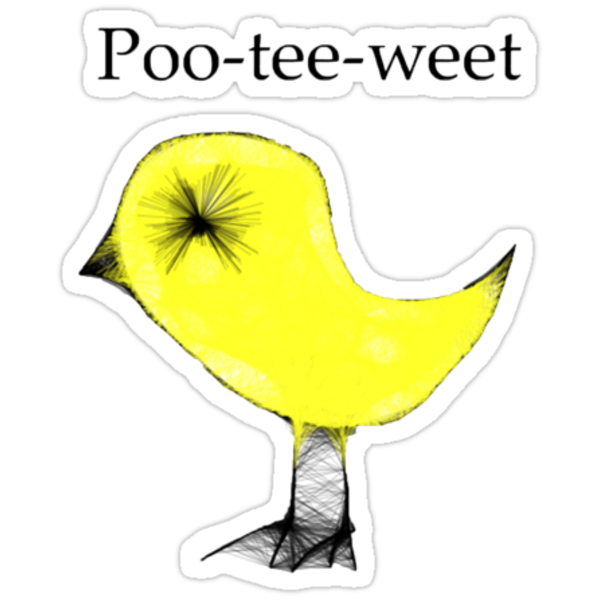
Chapter 10 - Motif


I am speechless. I'm a little confused on why Vonnegut would ever write this. Nonetheless, from what I understand, Billy went through dark times with a motif popping up every once in while. That motif is "Poo-tee weet?" (215). This shows that in moments of darkness and hopelessness, there is light. That light is the motif that birds call out, "Poo-tee-weet?" (215). Obviously, the phrase, "So it goes" (6) is a much stronger example, but I already used it in a previous blog.

Chapter 9 - Connection


Another movie I have not seen, but have heard of is "Inception". This chapter reminds me of that movie because I know that the movie talks about dreams meshing in with reality and then characters can't tell the difference any longer. This is similar to chapter nine because Billy is questioning if the affair with Montana Wildhack was a dream or reality.

Chapter 9 - Hubris


I wouldn't say that there is a single downfall in this book, but more of a long and endless stream of downfalls. This is powered by Billy's sleep, his hubris. Whenever Billy sleeps, he seems to time travel and when he time travel he always travels to a troubled time. So Vonnegut describe Billy sleeping in the green, coffin-shaped wagon, I couldn't help, but realize that there is a dual meaning when he wrote, "Billy Pilgrim was armed as he snoozed" (195). Yes that means Billy did have a gun attached to him, but I also took as though the time travel was his hubris, what lead him to trouble.

Chapter 8 - Connection

The movie "Silent Night" has so many similarities with this chapter, that it is uncanny. It is about World War I and that all the armies took a cease fire just for Christmas. During the cease fire they invited each other into each bunker to celebrate together. This is similar to chapter since it deals both with a World War and an act of companionship.

Chapter 8 - Tone


The tone in chapter eight has changed towards the end. After the bombing of Dresden, the tone has become scared and humbled simultaneously. This shown through a German's compassion when he lets the prisoners eat some of his food and lets them sleep in his inn. The tone is very apparent when the German said, "'Good night, Americans...Sleep well'" (181). This is probably a highlight of the book for me.

Chapter 7 - Connection


Oddly enough, the book is starting to grow on me. This connection may be one of my favorites as well. Whenever I read the syrup excerpt, I instantly thought of Twinkies. Why? Well, in a movie called "Zombieland" a rough and tough, cowboy-like character is hungry for some Twinkies. The only thing is that he can't get his Twinkies because the world has been hit by a Zombie Apocalypse. With help from two teenagers and little girl, his craving for a Twinkie was fulfilled. This falls under that theme of enjoy the little things because even though he was attacked by zombies, he continued to fight for a small pleasure that still remained in his life.